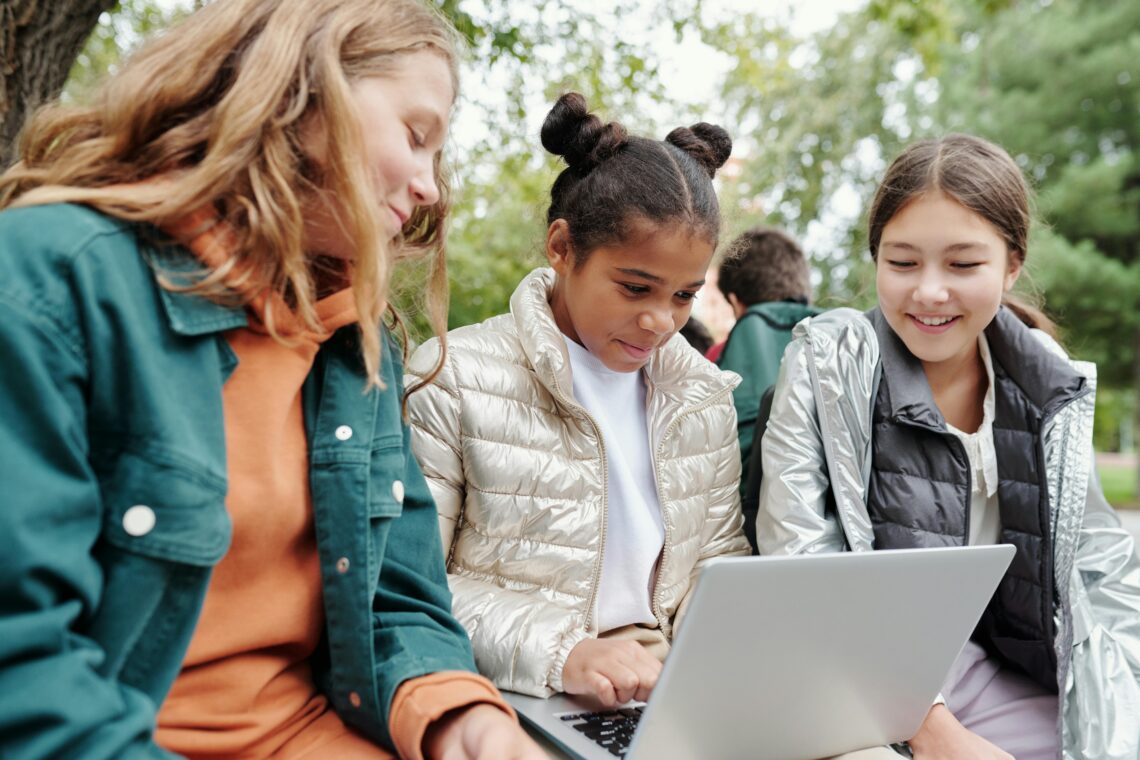
Distance learning has revolutionized education by offering flexibility, accessibility, and diverse learning opportunities. However, for beginners, succeeding in online education requires planning, discipline, and effective strategies. This guide provides a complete roadmap for students new to distance learning, helping them maximize their potential, stay motivated, and achieve academic success.
1. Understand What Distance Learning Is
Before diving into strategies, it’s essential to understand what distance learning entails.
Key Features of Distance Learning
- Online Delivery: Courses are conducted through digital platforms rather than traditional classrooms.
- Flexible Schedules: Students can learn at their own pace, often with recorded lectures and self-paced modules.
- Global Access: Learners can access courses from top universities and institutions worldwide.
- Interactive Components: Many programs include discussion forums, quizzes, assignments, and virtual group projects.
Example:
A student enrolled in an online business administration program can access lectures, participate in webinars, and submit assignments without attending a physical campus.
2. Set Clear Goals
Success in distance learning begins with setting clear, achievable goals.
How to Set Goals
- Define Long-Term Objectives: Identify why you are pursuing the course (career growth, skill development, personal interest).
- Break Down Goals: Divide the long-term goal into smaller milestones such as weekly study targets or module completion.
- Track Progress: Use apps, planners, or spreadsheets to monitor achievements and adjust plans if necessary.
Example:
A student learning graphic design may set a goal to complete a course in three months and create a portfolio by the end of the program.
3. Create a Dedicated Study Space
Having a designated learning environment helps improve focus and productivity.
Tips for an Effective Study Space
- Quiet and Comfortable: Choose a space free from distractions and noise.
- Organized: Keep study materials, notes, and devices in order.
- Well-Lit: Adequate lighting reduces eye strain and increases concentration.
- Tech-Ready: Ensure stable internet connection, functioning devices, and necessary software.
Example:
A student dedicating a corner of their room for online learning with a desk, laptop, and headphones can stay organized and focused.
4. Develop a Study Schedule
Time management is critical in online learning.
How to Build an Effective Schedule
- Identify Peak Productivity Hours: Schedule study sessions when energy and focus are highest.
- Allocate Time for Each Subject: Prioritize challenging topics but review all subjects regularly.
- Include Breaks: Short breaks between study sessions improve retention and reduce burnout.
- Balance Learning with Personal Commitments: Ensure time for work, family, or leisure.
Example:
A student studying in the evenings after work can allocate 2 hours for lectures, 1 hour for assignments, and 30 minutes for review.
5. Stay Organized with Digital Tools
Distance learning requires handling multiple assignments, lectures, and deadlines.
Recommended Tools
- Learning Management Systems (LMS): Canvas, Moodle, or Blackboard for accessing course content.
- Note-Taking Apps: Notion, Evernote, or OneNote for organizing notes.
- Task Management Tools: Trello or Todoist for planning assignments and deadlines.
- Calendar Apps: Google Calendar or Outlook for scheduling study sessions and reminders.
Example:
A student using Trello to track assignment progress ensures no deadlines are missed and can prioritize tasks efficiently.
6. Actively Participate in Online Classes
Engagement is crucial in distance learning for better understanding and retention.
Ways to Stay Active
- Attend Live Sessions: Participate in webinars or virtual lectures whenever possible.
- Ask Questions: Use chat functions or forums to clarify doubts.
- Contribute to Discussions: Share insights and experiences in discussion boards.
- Collaborate in Group Projects: Engage with peers for team-based learning experiences.
Example:
A language learner actively participating in discussion forums improves speaking, comprehension, and writing skills faster.
7. Develop Effective Note-Taking Skills
Good notes help consolidate knowledge and simplify exam preparation.
Tips for Online Note-Taking
- Summarize Key Points: Focus on main ideas, not every word.
- Use Visual Aids: Charts, diagrams, and mind maps enhance understanding.
- Highlight Important Concepts: Use colors or symbols to emphasize key points.
- Review Notes Regularly: Reinforce learning and memory retention.
Example:
A student taking notes during recorded lectures can refer back to summaries before exams, saving time and improving comprehension.
8. Stay Motivated and Overcome Challenges
Maintaining motivation is often challenging in self-paced online learning.
Strategies to Stay Motivated
- Set Short-Term Goals: Achieving weekly or monthly milestones provides a sense of accomplishment.
- Reward Yourself: Treat yourself after completing tasks or modules.
- Join Study Groups: Collaborating with peers fosters accountability.
- Visualize Success: Focus on the long-term benefits of completing the course.
Overcoming Common Challenges
- Procrastination: Break tasks into smaller chunks and use time management techniques.
- Technical Issues: Keep backup devices and ensure reliable internet connectivity.
- Isolation: Participate in forums, virtual study groups, and networking events.
Example:
A student struggling with motivation may join an online study community for peer support and accountability.
9. Leverage Available Resources
Online learning platforms offer a variety of resources to aid learning.
Types of Resources
- Recorded Lectures and Tutorials: Rewatch lessons to reinforce understanding.
- Quizzes and Practice Tests: Test knowledge and identify weak areas.
- E-Books and Articles: Access supplemental material to deepen comprehension.
- Instructor Feedback: Use feedback to improve assignments and skills.
Example:
A student reviewing recorded programming tutorials multiple times ensures mastery before attempting projects.
10. Master Time Management for Assignments
Assignments are an essential component of distance learning and require careful planning.
Tips for Managing Assignments
- Break Down Tasks: Divide large projects into smaller, manageable tasks.
- Prioritize Deadlines: Tackle urgent or complex assignments first.
- Set Daily Goals: Achieve consistent progress rather than last-minute cramming.
- Use Productivity Techniques: Pomodoro or time-blocking methods enhance focus.
Example:
A student completing an online marketing project by allocating specific days for research, content creation, and editing ensures timely submission without stress.
11. Build Effective Communication Skills
Even online, communication is key to collaboration and networking.
How to Improve Communication
- Email Etiquette: Write clear, professional messages to instructors or peers.
- Discussion Boards: Participate actively and respectfully in forums.
- Video Calls: Practice clear verbal communication in virtual meetings.
- Peer Feedback: Provide constructive feedback in group projects.
Example:
A student working on a group research project uses Zoom and collaborative documents to communicate efficiently with team members.
12. Balance Online Learning with Personal Life
Maintaining a healthy balance prevents burnout and enhances productivity.
Tips for Work-Life-Learning Balance
- Create a Routine: Allocate fixed times for study, work, and relaxation.
- Include Exercise and Leisure: Physical and mental health improves focus.
- Avoid Overloading: Don’t take more courses than you can manage.
- Stay Connected: Interact with family, friends, and peers to avoid isolation.
Example:
A student following a schedule that includes study, exercise, and family time maintains motivation and overall well-being.
13. Continuously Evaluate Your Progress
Regular evaluation ensures learning strategies are effective.
Methods of Evaluation
- Self-Assessment: Reflect on completed assignments and quizzes.
- Instructor Feedback: Incorporate feedback into your learning process.
- Peer Reviews: Gain insights from fellow students.
- Adjust Study Plans: Modify schedules or techniques based on progress.
Example:
A student noticing weak performance in quizzes dedicates extra time to those topics and seeks online tutorials for improvement.
14. Embrace Lifelong Learning
Distance learning is not just about completing a course—it’s a stepping stone to lifelong learning.
How to Cultivate Lifelong Learning
- Stay curious and explore new subjects.
- Update skills regularly to match industry trends.
- Participate in webinars, workshops, and online communities.
- Apply knowledge to real-world situations and personal projects.
Example:
A student completing multiple online certifications in emerging technologies remains competitive and adaptable in the job market.
Conclusion
Succeeding in distance learning requires planning, discipline, engagement, and adaptability. By setting clear goals, managing time effectively, leveraging resources, and maintaining motivation, beginners can thrive in online education. Distance learning is not just an alternative to traditional education—it is an opportunity to develop essential skills, gain knowledge, and advance both academically and professionally.
Key Takeaway: With the right strategies, commitment, and mindset, distance learning can provide a rewarding, flexible, and empowering educational experience for students worldwide.


